

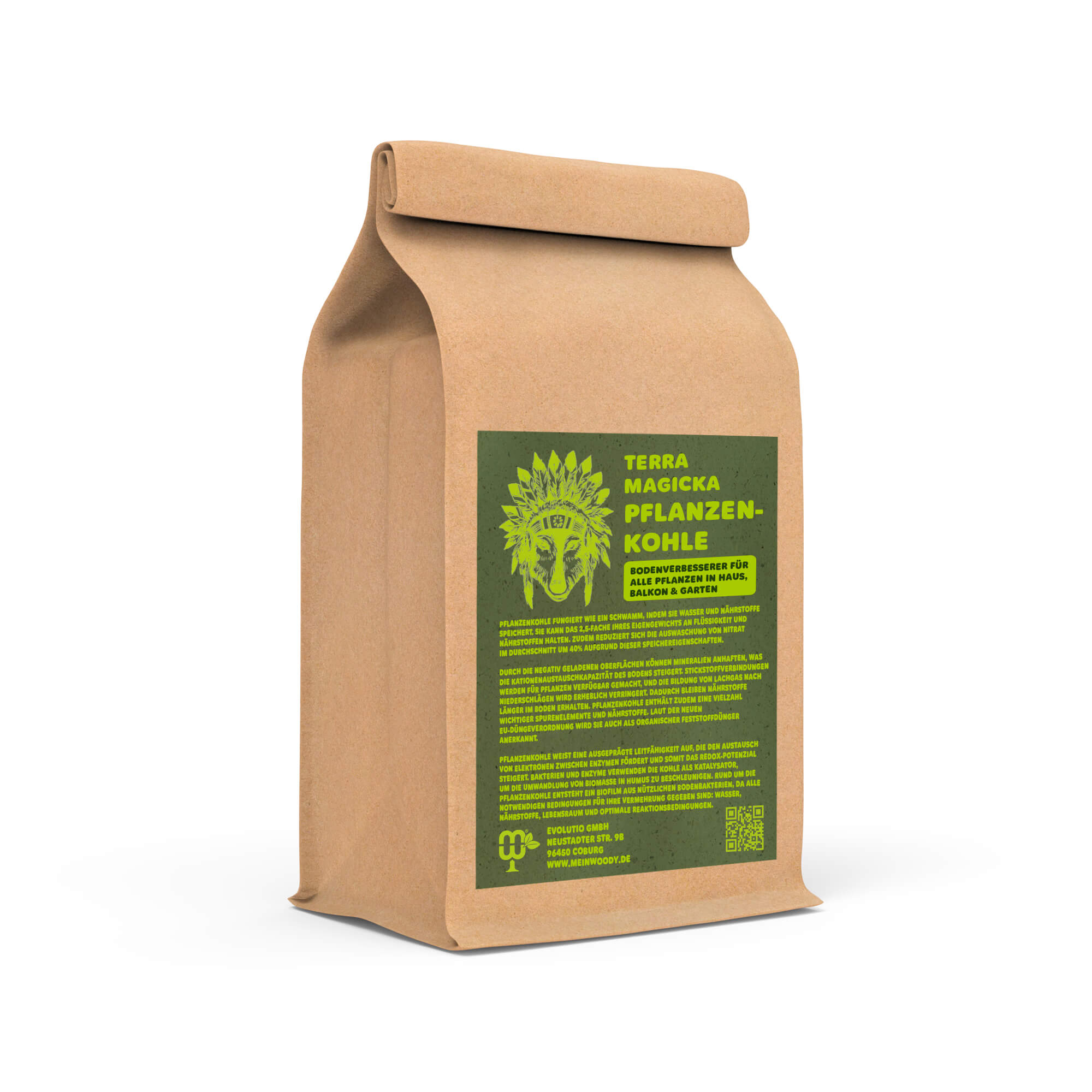
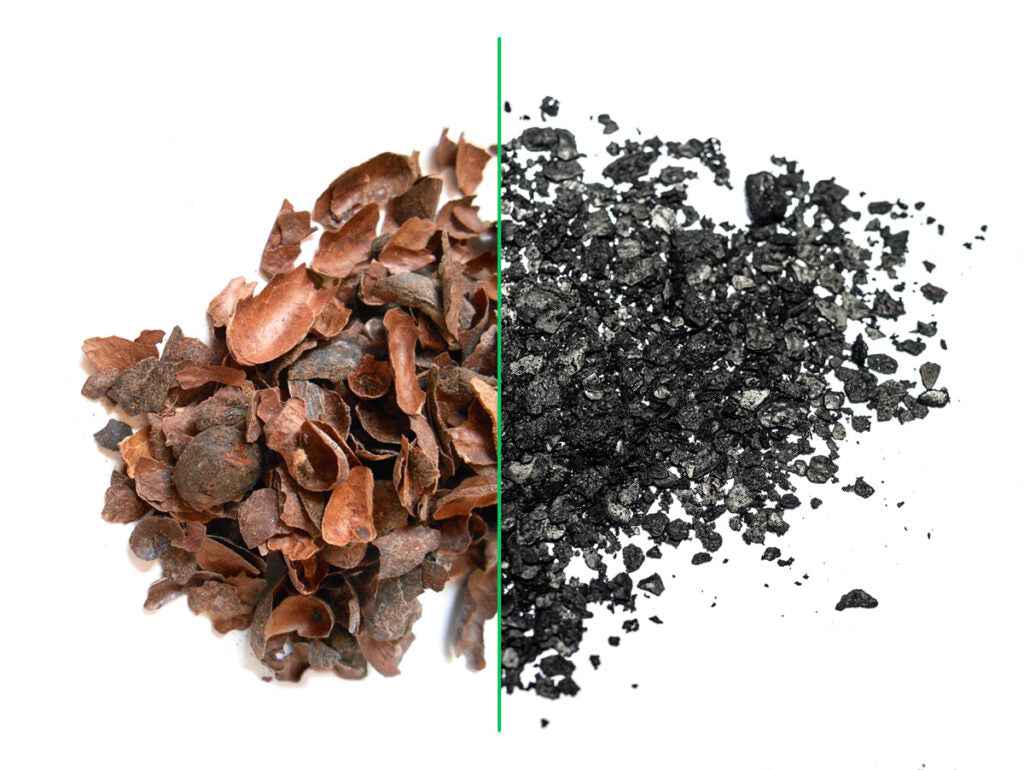
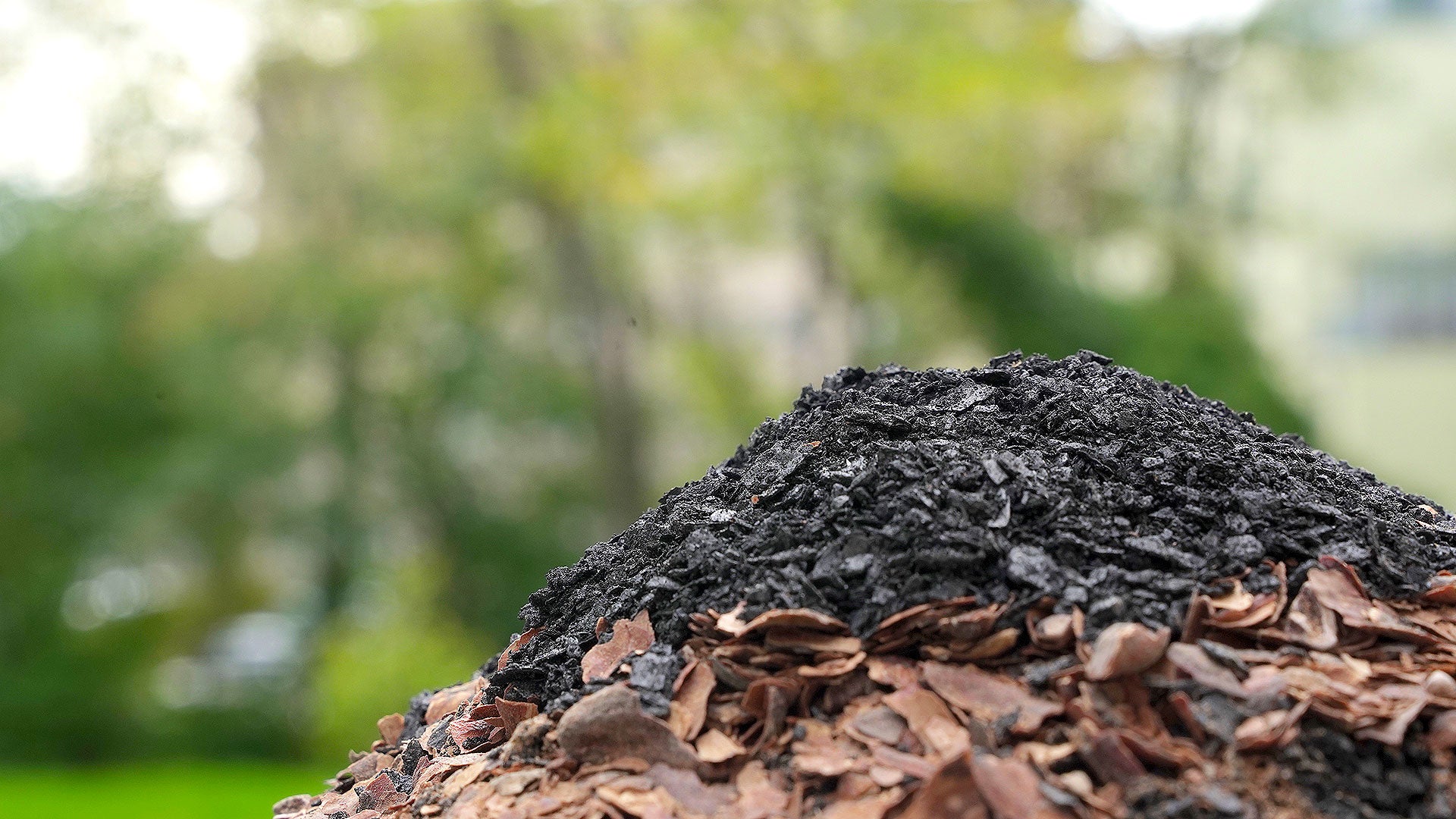
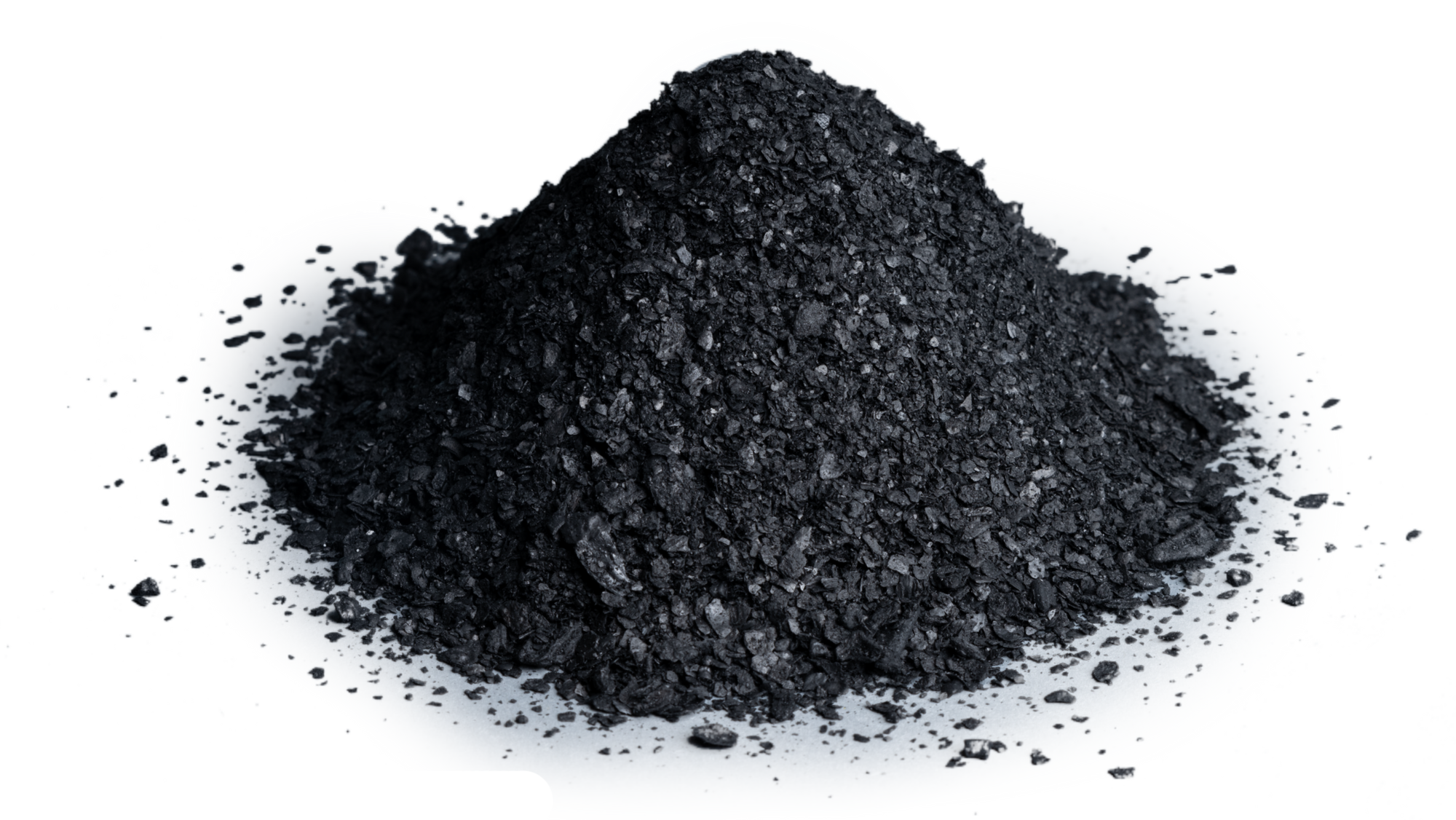
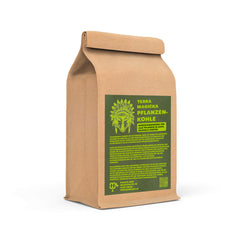
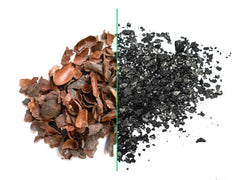
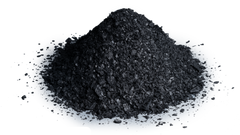
Pure biochar from cocoa shells
Pure biochar made from cocoa shells stores water and nutrients like a sponge. Its storage capacity is 2.5 times its own weight. Nitrate leaching also decreases by 40% on average due to its storage capability.
- Pure biochar improves soil structure and increases water retention capacity, leading to healthier plants and higher yields.
- Due to its high storage capacity, biochar reduces nutrient leaching, which is more environmentally friendly and increases fertilizer efficiency.
- Biochar provides an ideal habitat for beneficial soil bacteria, which support humus formation and increase soil fertility.
- By using biochar, CO2 is stored long-term in the soil, contributing to the fight against climate change.
- Ideal for use in horticulture, agriculture, and landscaping to sustainably improve soil quality.
- €5,90
- €5,90
- Unit price
- €2,95 per l
inkl. MwSt. zzgl. Versandkosten
Availability:
Many In Stock
Couldn't load pickup availability

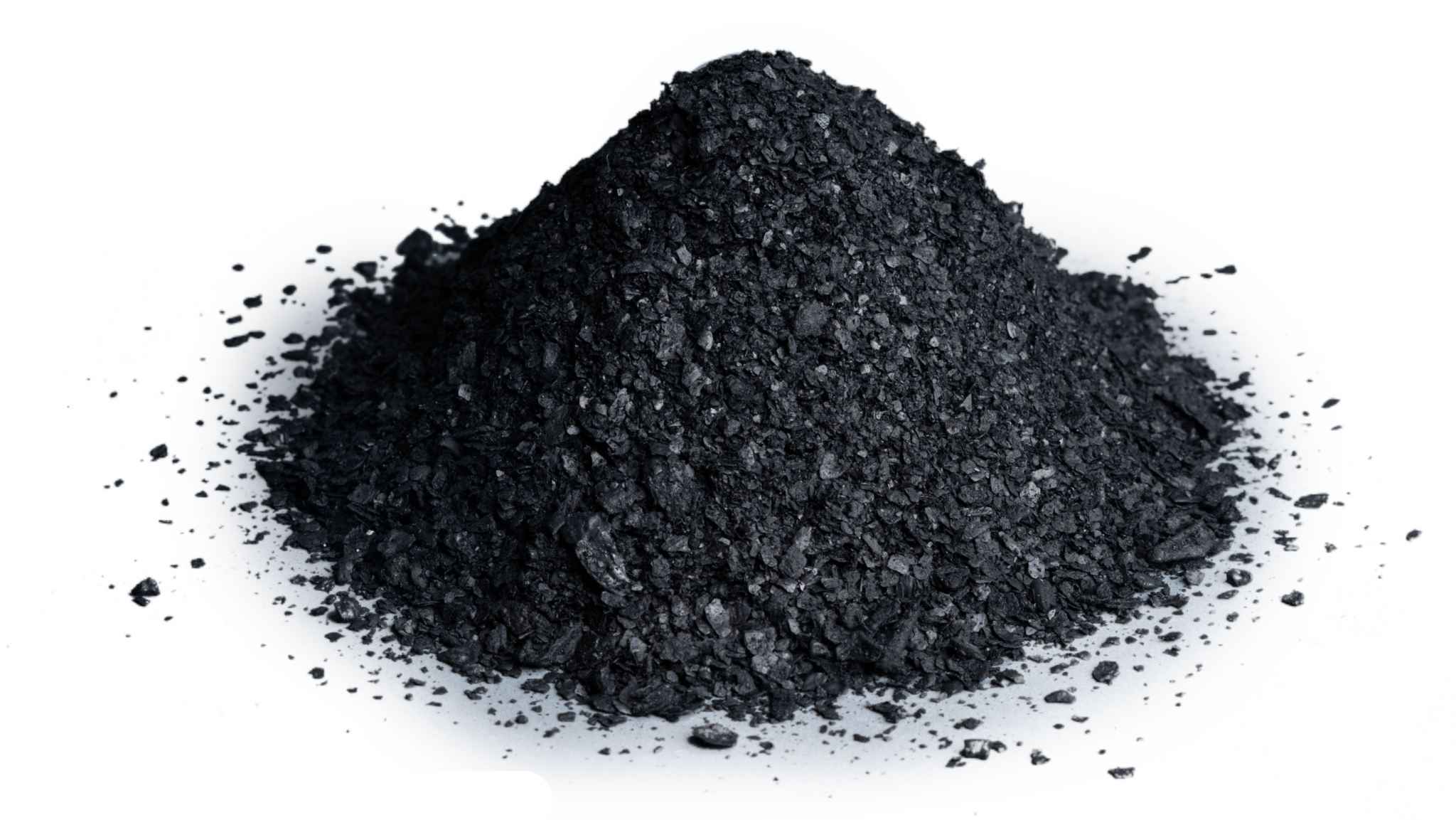

Biochar from cocoa shells - a sustainable product created by pyrolyzing cocoa shells. These shells are a byproduct of the cocoa industry and are usually discarded during the production of cocoa and chocolate. By converting them into biochar, this waste product gains new value.
Biochar is an excellent soil improver with many positive properties that promote plant growth and soil quality. It works in various ways:
Increased water retention
Biochar has a porous structure that allows the soil to retain water better. This is particularly helpful in dry regions or during periods of drought, as plants are supplied with water for longer.
Nutrient storage
Due to its many pores, biochar can absorb nutrients such as nitrogen, phosphorus, and potassium and gradually release them to plants. This prevents nutrients from being leached out, and the soil remains fertile in the long term.
Improvement of soil structure
Biochar loosens the soil and improves aeration. This promotes root growth and the activity of soil organisms, which further improve the soil.
Promotion of soil life
Microorganisms, such as beneficial bacteria and fungi, find an ideal habitat in the pores of biochar. These microorganisms are important for soil fertility as they decompose organic matter and make nutrients available to plants.
Long-term carbon sequestration
Since biochar is very stable, the carbon bound in the charcoal remains in the soil for long periods. This helps to sequester CO₂ from the atmosphere, thus contributing to climate protection.
Improvement of pH value
In acidic soils, biochar can increase the pH value and thus make the soil more neutral, which is better for many plant species.
Application:
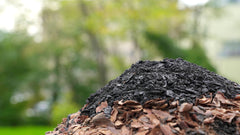
Biochar is often mixed with compost or organic material and then incorporated into the soil. This ensures that the charcoal is optimally integrated into the soil and can unfold its effect.
Overall, biochar helps to make the soil more fertile, nutrient-rich, and resilient, which can improve yields in horticulture or agriculture in the long term.
Biochar acts like a sponge, storing water and nutrients. It can hold 2.5 times its own weight in liquid and nutrients. In addition, nitrate leaching is reduced by an average of 40% due to these storage properties.
- Improved utilization of introduced feed with qualitatively and quantitatively better output
- Fewer passes/ha for tillage
- Reduced use of industrial fertilizers
- Reduced use of pesticides due to higher microbial activity and better immune response of crops
- Increased formation of organic humus
- Farmyard manure becomes more efficient
- Prevention of new resistances
- Soils and crops become more stress-resistant
- Securing and increasing agricultural production in the face of climate damage (e.g., reduction of drought stress)
- Reduction of nitrate and phosphorus leaching into groundwater
- More positive climate balance of agricultural production
Due to the negatively charged surfaces, minerals can adhere, which increases the cation exchange capacity of the soil. Nitrogen compounds are made available to plants, and the formation of nitrous oxide after rainfall is significantly reduced. This keeps nutrients in the soil for longer. Biochar also contains a variety of important trace elements and nutrients. According to the new EU Fertilizer Ordinance, it is also recognized as an organic solid fertilizer.
Biochar is good for the climate
Biochar exhibits pronounced conductivity, which promotes the exchange of electrons between enzymes and thus increases the REDOX potential. Bacteria and enzymes use the charcoal as a catalyst to accelerate the conversion of biomass into humus. A biofilm of beneficial soil bacteria forms around the biochar, as all the necessary conditions for their reproduction are met: water, nutrients, habitat, and optimal reaction conditions.
Application notes
Soil application: In many soils, the carbon content has fallen so sharply that the creation of a self-regenerating, living humic soil is only possible with considerable effort and over several generations.
Bitte beachte: Pflanzen sind einzigartig und können sich in Aussehen, Farbe, Form und Größe unterschiedlich und verschieden zu unseren Angaben und Bildern entwickeln. Äußere Umstände wie Bodenbeschaffenheit, Klima, Luftfeuchtigkeit, Luftzufuhr oder Temperatur können die Entwicklung von Pflanzen maßgeblich beeinträchtigen.
Vereinzelte Baumsorten sind genetisch so veranlagt, dass die Keimung bis zu fünf Monate dauern kann - hier ist besonders wichtig, die Erde dauerhaft feucht zu halten und geduldig zu bleiben.
Das könnte dir auch gefallen
Example product title
- From €5,90
- From €5,90
- Unit price
- €2,95 per l
Example product title
- From €5,90
- From €5,90
- Unit price
- €2,95 per l
Example product title
- From €5,90
- From €5,90
- Unit price
- €2,95 per l
Example product title
- From €5,90
- From €5,90
- Unit price
- €2,95 per l
Example product title
- From €5,90
- From €5,90
- Unit price
- €2,95 per l
Example product title
- From €5,90
- From €5,90
- Unit price
- €2,95 per l
Example product title
- From €5,90
- From €5,90
- Unit price
- €2,95 per l
Example product title
- From €5,90
- From €5,90
- Unit price
- €2,95 per l
Example product title
- From €5,90
- From €5,90
- Unit price
- €2,95 per l
Example product title
- From €5,90
- From €5,90
- Unit price
- €2,95 per l
- Choosing a selection results in a full page refresh.